
5S & Visual Control
5S Fast & Simple
What Is 5S?
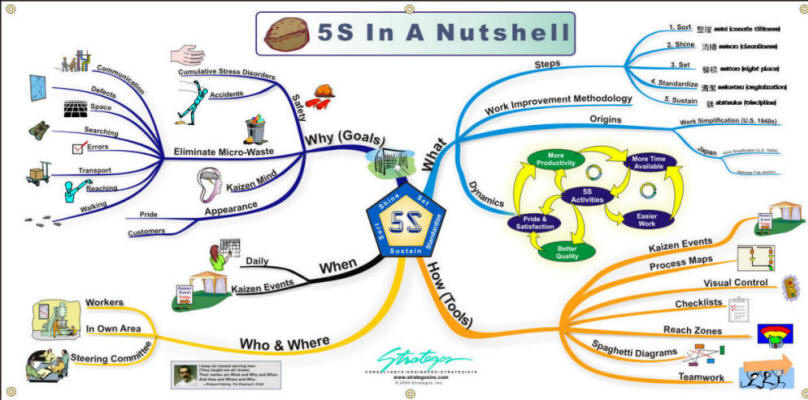
Sort |
Sort through and sort out junk, seldom-used items and necessary items. |
Shine |
Clean and paint and clean regularly. |
Set |
Set locations; use boundaries & addresses to assure recoil. |
Standardize |
Define and standardize work processes, 5S activities and tasks. |
Sustain |
Make 5S a way of life, institutionalized in the organization. |
Visual Control uses visual (and other sensory devices) to guide everyday decisions such as "When should I cross this street?." Conceptually, Visual Control is not the same as 5S but the two ideas are closely linked and often used together.
The table below summarizes the five elements. Most elements are straightforward and self explanatory. The five words are a convenient mnemonic device. They derive from equivalent Japanese words which also start with an "S". Each, however, involves much more than the word alone implies. Click on each word for more detail.
There are many variations of 5S, mostly of minor importance-- for example, different translations of the original Japanese. The extent of the organization effort also varies. Some versions are little more than a cleanup while others involve time and motion studies or layout. Safety is often included as a step to eliminate unsafe conditions and enhances awareness.
What Does 5S Accomplish?
5S improves efficiency at the micro-level. It can eliminate searching for tools, for example. It may eliminate wasted steps or long reaches that are ergonomically hazardous. Since workers themselves analyze and rearrange their own workplace, it forces each worker to think about their activities. It develops the "Kaizen Mind." For more on the possible range of improvements in safety, absenteeism, productivity, space and wasted motion, see The Payoff from 5S. Our page on "A Tidy Workplace" reports on some academic research that verifies some of these benefits.
How To Implement 5S
In our view, initial implementation should be fast and simple with a bias for action. Strategos offers Kaizen events that can execute an initial implementation in one or two days with significant results. Advanced techniques and refinement then comes in a second phase several months later. (More 5S Implementation...)
When To Implement 5S
This is a point for debate. Many firms start their Lean Journey with 5S. Setting implementation priorities involves many factors. It may be best to start with an element having faster and more verifiable savings.
The other side argues that, initially, 5S can be relatively easy to implement and has direct benefits. Moreover, it establishes a standard of discipline that begins the cultural change necessary for other elements of Lean Manufacturing.
Ultimately, there are many paths to Lean and it is probably more important to just start then it is to find the "correct" path.

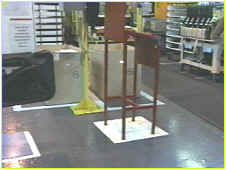
5S On The Plant Floor 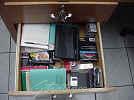
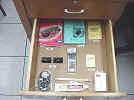
5S In The Office |
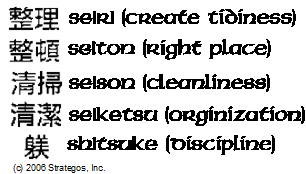
The Original 5S'

■ ■ ■ ■ ■ ■ ■
|
The Strategos Guide To Value Stream and Process Mapping goes beyond symbols and arrows. In over 163 pages it tells the reader how to do it and what to do with it. |

The free newsletter of Lean strategy